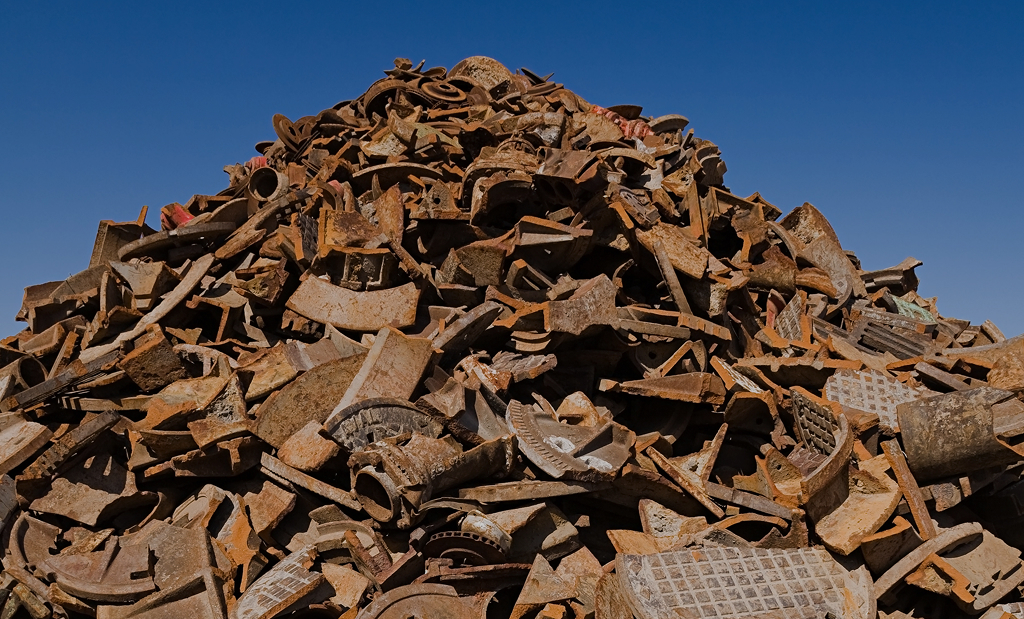
Scrapping old metal or an end-of-life vehicle isn’t just great for your pocket, it’s great for the planet, too. Every piece of recycled scrap metal reduces waste, saves energy, and cuts back on the need for mining new materials. And when it’s handled by a trusted recycler like J Davidson, that metal is guaranteed to go somewhere useful.
Here’s a clear look at which metals can be reused, what they become next, and how the recycling process actually works.
Which metals can be reused?
The short answer: almost all of them. Metal is one of the few materials that can be recycled again and again without losing quality, which is why it’s so valuable.
Steel
The world’s most recycled material. It comes back as construction beams, car parts, appliances and more.
Aluminium
Infinitely recyclable and extremely energy-efficient to reuse. Often turned into drink cans, window frames, bike parts, and vehicle components.
Copper
Known for its electrical conductivity, so it’s reused in wiring, plumbing, electronics and renewable energy systems.
Brass & Bronze
Transformed into fixtures, fittings, instruments and decorative items.
Lead
Commonly reused in batteries and protective building materials.
Catalytic converters
Contain precious metals that can be recovered and used again within the automotive and manufacturing industries.
If it’s metal, there’s almost always a second life waiting for it.
How can scrap metal be reused?
Once processed, recycled metal feeds back into everyday life in ways most people never notice. Some of the most common uses include:
- Construction – Structural steel, pipes, roofing, reinforcement bars.
- Automotive – Bodywork, engine components, and key parts across modern vehicles.
- Household items – Appliances, cans, tools, electronics and furniture.
- Energy systems – Wiring, transformers, wind turbines and other infrastructure.
- Manufacturing – Metal sheets, cast parts, fixtures and engineered components.
Recycled metal performs just as well as newly mined material… the difference is it takes far less energy to create. You can find out more about all the ways scrap metal can be reused here.
What happens during the metal recycling process?
At J Davidson, we make sure the scrap metal recycling process is as efficient as possible. Here’s how it works.
1. Collection and sorting
Scrap arrives at a licensed recycling facility like J Davidson from homes, businesses and vehicle disposal. Metals are separated by type – steel, aluminium, copper and more – because each metal behaves differently during processing.
2. Assessing the value of your scrap
Once sorted, each metal type is assessed based on its weight and current market demand. This step ensures your scrap is accurately graded so you receive a fair and transparent value before it moves on to processing.
3. Shredding and preparation
Large or bulky pieces are cut down or shredded to make them easier to handle. This speeds up the next stages of recycling and keeps the entire process efficient.
4. Melting and purification
Each metal type is melted in a dedicated furnace. Impurities are removed to create clean, high-quality recycled metal that’s ready to be used again.
5. Forming into new materials
The molten metal is poured into moulds, rolled into sheets or shaped into wire, transforming it into usable raw material for manufacturers.
6. Rejoining the supply chain
Recycled metal is supplied nationwide and used in construction, vehicles, appliances, electronics and more. And because recycled metal is always in demand, customers benefit from the strong market value their scrap holds.
Recycle your scrap metal with J Davidson
Bringing your scrap metal or old vehicle to J Davidson means it’s handled responsibly from start to finish. You get the fairest price, the planet gets high-quality recycled material; and nothing goes to waste.
Whether you’re clearing out, managing a business or looking to dispose of a vehicle, choosing a reputable recycler makes all the difference. Contact us today to see how much your scrap car, van or metal could be worth.